

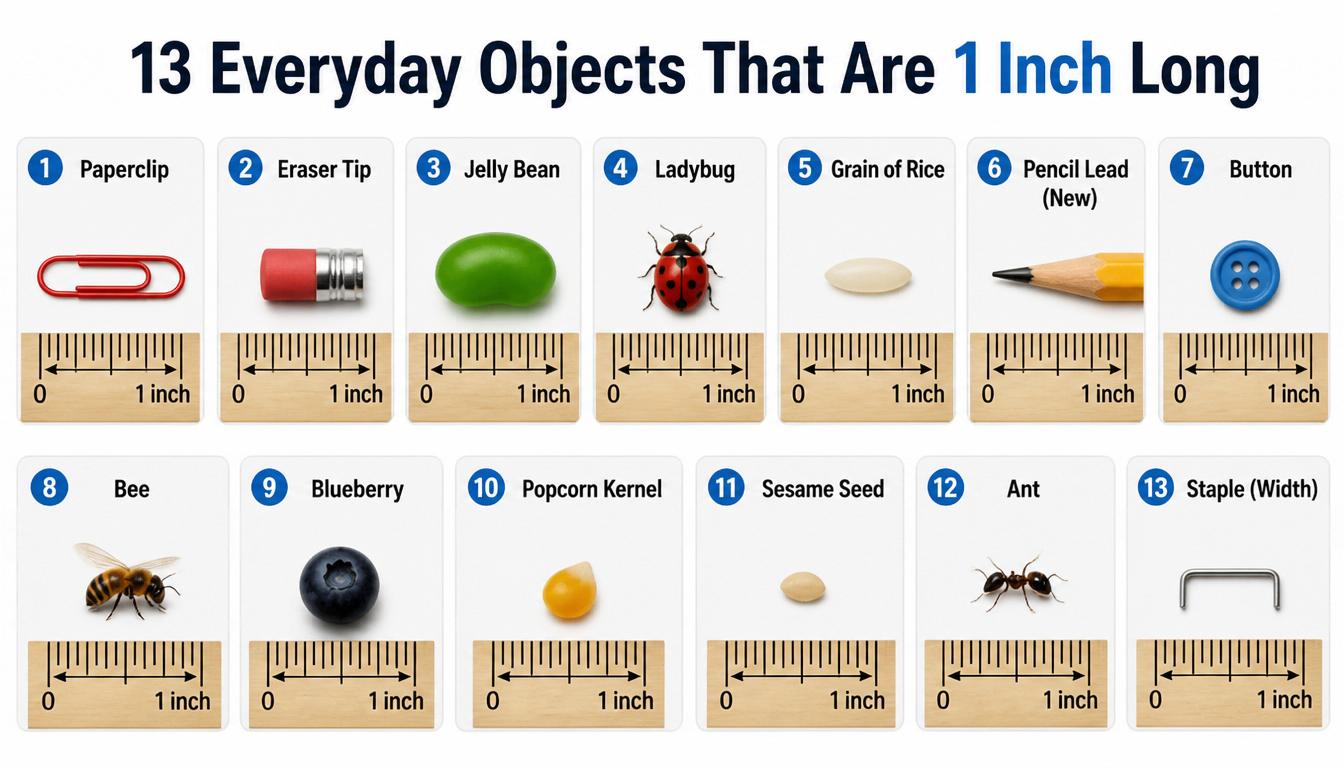
A funny thing happens when somebody asks, “How long is an inch?” Most of us suddenly start waving our fingers in the air like we’re trying to catch a very small butterfly. We know what an inch is, sorta, but describing it without a ruler can feel oddly difficult.
That’s where everyday objects that are 1 inch long become incredibly handy. A single inch may seem tiny, yet it sits quietly at the center of countless tasks
DIY projects, classroom activities, crafting, woodworking, home improvement jobs, and even quick conversations about size. You don’t always have a ruler tucked into your pocket, but you probably have something nearby that’s close to an inch.
The beauty of measurement estimation lies in training your eyes and brain to recognize dimensions naturally. Over time, you develop a kind of visual muscle memory. Before you know it, you’re estimating lengths with surprising accuracy while standing in a hardware store aisle or sorting supplies at home.
In the Imperial measurement system, an inch is a standard unit of length equal to 2.54 Centimeters (cm) or 25.4 Millimeters (mm). While many countries primarily use the Metric system, inches remain deeply embedded in manufacturing, construction, technology, and everyday life.
So if you’ve ever wondered what does 1 inch look like, this guide will walk through 13 familiar objects that offer an excellent visual reference. Some are exactly one inch, some are very close, and all of them can help sharpen your understanding of size and scale.
| Object | Approx. Size | Notes |
|---|---|---|
| U.S. Quarter | 0.96 inch diameter | Slightly smaller than 1 inch |
| Adult Thumb Width | ~1 inch | Varies by person |
| Push Pin | ~1 inch long | Common office item |
| LEGO Brick (combined dimensions) | ~1 inch | Good size reference |
| Six-Sided Die | ~1 inch wide | Standard game die |
| Sugar Cube | ~1 inch | Traditional cube size |
| Keyboard Key | ~1 inch wide | Depends on keyboard type |
| Bottle Cap | ~1 inch diameter | Common household item |
| Small Paper Clip | ~1 inch long | Handy measuring reference |
| Guitar Pick | ~1 inch tall | Varies slightly by brand |
| USB Type-A Connector | ~1 inch long | Standard USB plug |
| Postage Stamp | ~1 inch on one side | Depends on stamp design |
| AAA Battery Diameter | ~0.4 inch diameter | Useful for comparison, not exactly 1 inch |
Why Understanding 1 Inch Matters
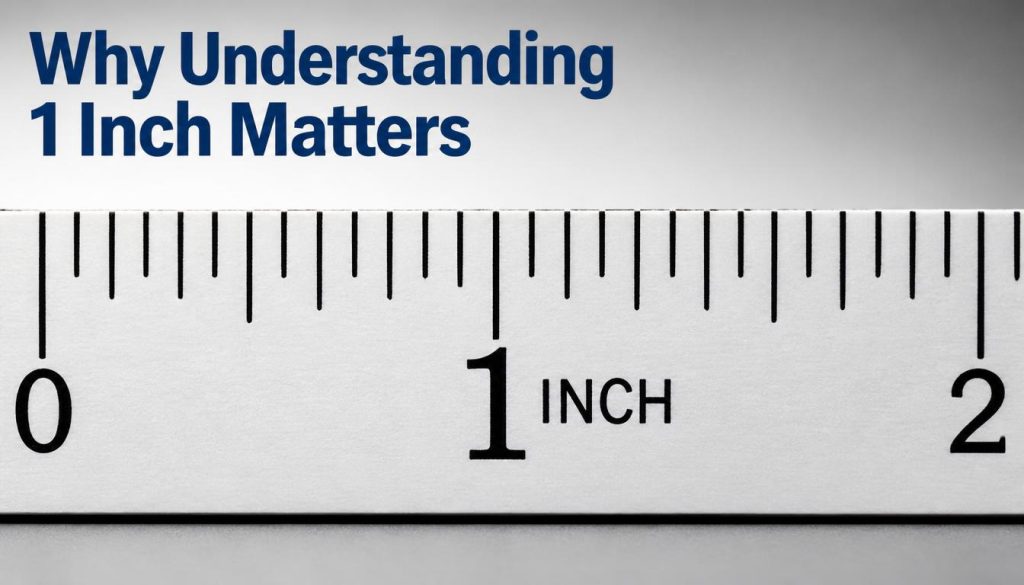
Before jumping into the list, it’s worth appreciating why one inch measurement is so important.
Teachers often use familiar items to improve measurement literacy among students. Builders rely on precise dimensions. Designers think constantly about proportions. Even children learning spatial reasoning benefit from handling real-world objects rather than staring at abstract numbers on paper.
A retired elementary school teacher once told me, “Kids understand measurements much faster when they can hold them. Numbers stay in the head, but objects stay in the hands.” That sentence has kinda stuck with me.
Learning to estimate length also strengthens visualizing measurements skills. Whether you’re measuring wood, fabric, packaging, or furniture, having a mental picture of an inch makes life easier.
1. U.S. Quarter
One of the best-known objects that are 1 inch long is the U.S. quarter.
Technically, a quarter has a diameter of approximately 0.955 inches, making it just slightly smaller than a full inch. For practical purposes, though, it’s an excellent size comparison object.
The coin is produced by the U.S. Mint, which maintains strict dimensional specifications to ensure consistency. This level of standardized dimensions helps vending machines, coin counters, and countless automated systems function properly.
When someone asks for a quick 1 inch example, many people immediately reach for a quarter.
2. Adult Thumb Width
Human bodies have served as measuring tools for thousands of years.
For many adults, the width of the thumb near the knuckle measures approximately one inch. This isn’t exact, obviously. Human anatomy varies quite a bit. Still, it’s one of the most practical examples of human-based measurement.
Long before modern rulers became common, people relied heavily on body measurements. In fact, several historical measurement systems were built around hands, fingers, feet, and arm lengths.
It’s not perfect, but it works surprisingly well when you’re caught ruler-less.
3. Push Pin
A standard push pin often measures close to one inch from tip to top.
Invented by Edwin Moore in the early 1900s, push pins became essential office and classroom supplies. Their compact size makes them a useful visual measurement guide.
Teachers frequently include push pins in classroom measurement examples because they’re safe, familiar, and easy to compare against other objects.
There’s something delightfully ordinary about using a thumbtack to teach mathematics. Tiny object, big job.
4. LEGO Brick Width
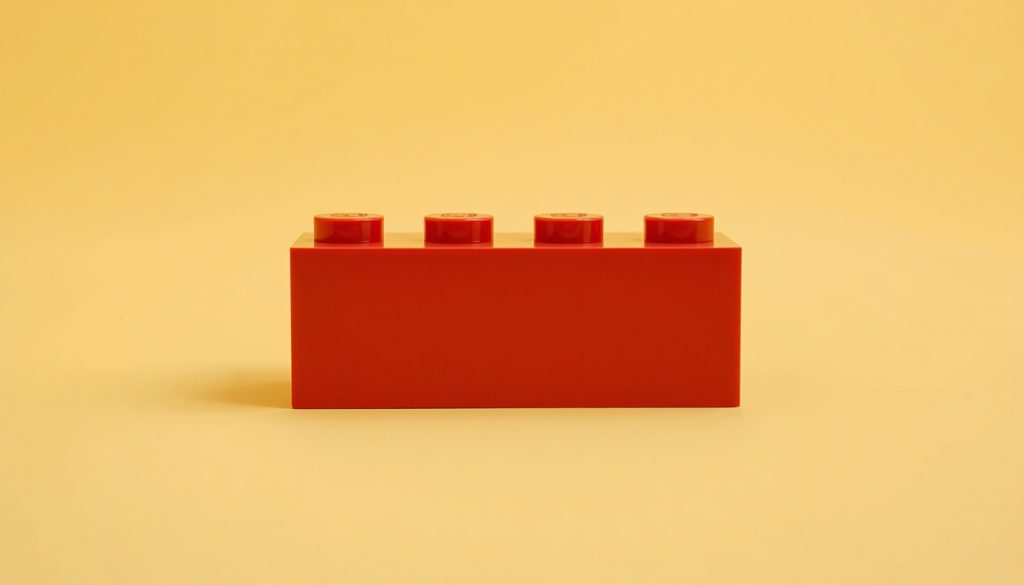
The iconic LEGO brick offers another fantastic reference.
Certain standard LEGO brick dimensions measure very close to one inch when multiple pieces are combined according to design specifications established by the LEGO Group.
What makes LEGO fascinating isn’t just the toy itself. It’s the remarkable interlocking design system that depends upon extraordinary dimensional consistency.
Without precise measurements and tight manufacturing tolerances, LEGO bricks wouldn’t snap together so perfectly year after year.
5. Six-Sided Dice
A standard gaming die often measures around one inch across.
Whether used in board games, classrooms, or probability demonstrations, dice provide an excellent real-world illustration of size and geometry.
Teachers frequently use dice while developing measurement estimation activities and introducing students to volume, shape recognition, and mathematical concepts.
They’re small cubes carrying surprisingly large educational value.
6. Sugar Cube
Traditional sugar cubes typically measure around one inch on each side.
The sugar cube’s history traces back to the invention of Jakub Kryštof Rad during the 1840s. His innovation transformed how sugar was packaged and consumed.
Today, sugar cubes continue serving as useful examples in learning length measurement activities because their shape provides a simple visual representation of dimensions.
And honestly, they look kinda satisfying lined up in neat little rows.
7. Keyboard Key
Many standard computer keyboard keys measure close to one inch in width.
While exact dimensions vary between manufacturers, keys like the Escape key or function keys often provide useful references when estimating small distances.
These dimensions are influenced by ergonomics, ensuring comfortable typing and accessibility.
It’s funny how an object we touch thousands of times can become an accidental measuring device.
8. Bottle Cap
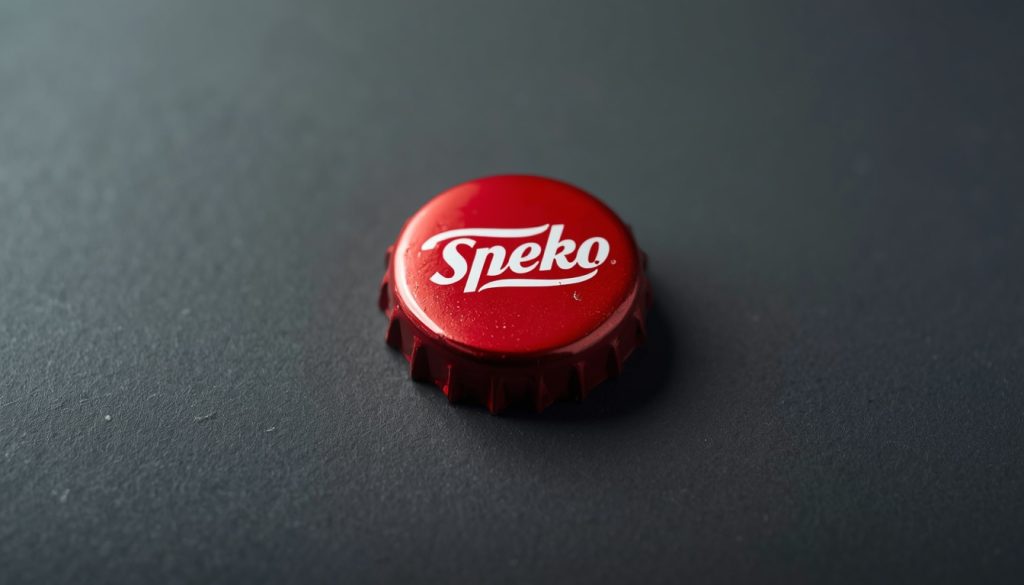
Certain beverage bottle caps have diameters close to one inch.
Because bottle caps are mass-produced using highly controlled manufacturing processes, they demonstrate how precision manufacturing supports everyday products.
When discussing household items that are 1 inch, bottle caps frequently appear on the list due to their accessibility and familiar size.
You probably have one within ten feet of you right now. Maybe less.
9. Small Paper Clip
Many small paper clips measure roughly one inch in length.
Simple though they seem, paper clips represent clever engineering. Their shape maximizes utility while using very little material.
In classrooms, paper clips are often used as non-standard measurement units before students transition to rulers and formal measurement systems.
They’ve quietly survived the digital age, which is honestly a bit impressive.
10. Guitar Pick
A typical guitar pick often measures approximately one inch from top to bottom.
Musicians rarely think about picks as measurement tools, but their dimensions make them handy one inch reference objects.
Different thicknesses and shapes affect playability, yet the general size remains fairly consistent across manufacturers.
Tiny enough to lose constantly. Large enough to estimate an inch. Funny balance, that.
11. USB Type-A Connector
The metal portion of a USB Type-A connector measures close to one inch in overall length.
These connectors are governed by strict technology standards and compatibility standards to ensure devices communicate correctly.
Organizations such as the International Electrotechnical Commission (IEC) help support standardization efforts that make modern technology work seamlessly.
Every time a USB plug fits correctly, you’re seeing measurement precision in action.
12. Postage Stamp
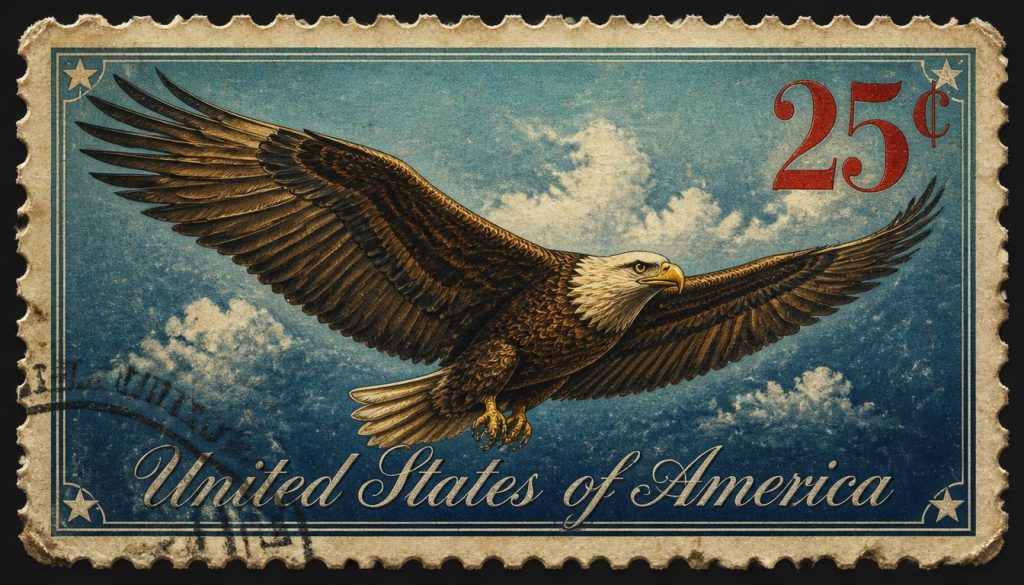
Many postage stamps measure around one inch along one dimension.
Since the introduction of modern postal systems in the 1840s, stamps have become both practical tools and collectible pieces of art.
Organizations like the United States Postal Service (USPS) oversee specifications that maintain consistency in printing and distribution.
A small square of paper can travel across continents. That’s still kinda magical when you think about it.
13. AAA Battery Diameter
While the full battery is longer than an inch, the diameter of a AAA battery provides a useful dimensional reference for smaller measurements.
Batteries are manufactured under strict industrial standards to ensure compatibility across countless devices.
This consistency demonstrates the importance of industrial measurement standards, automated manufacturing, and product sizing standards in everyday consumer goods.
The next time you replace remote-control batteries, you may accidentally learn a little measurement science too.
How to Estimate One Inch Without a Ruler
Knowing common objects that measure 1 inch is useful, but developing estimation skills is even better.
Try these practical methods:
- Compare lengths against your thumb width.
- Keep a quarter nearby as a quick reference.
- Use a small paper clip when estimating short distances.
- Memorize the size of a standard die.
- Practice estimating first, then verify with a ruler.
Over time, your brain builds stronger associations between objects and dimensions. This process improves measurement estimation skills and enhances overall visual learning.
Many DIY enthusiasts, woodworkers, and crafters rely on this intuitive ability every day.
Educational Benefits of Using Everyday Objects
Using familiar items creates stronger learning experiences.
When children handle real objects, abstract measurements become tangible. This supports hands-on learning, improves retention, and encourages curiosity.
Educational researchers frequently note that physical examples help students develop stronger measurement literacy and spatial reasoning abilities than relying solely on textbook exercises.
Some fun classroom activities include:
- Building inch collections.
- Comparing object dimensions.
- Creating measurement scavenger hunts.
- Estimating and verifying lengths.
- Sorting objects by size categories.
These activities make learning feel less like work and more like discovery.
How Manufacturing Relies on One-Inch Precision
The simple inch plays an enormous role in manufacturing.
Products must meet exact specifications to ensure dimensional accuracy and interoperability. Whether producing LEGO bricks, USB connectors, batteries, or coins, manufacturers depend on rigorous quality controls.
Even tiny deviations can cause products to fail.
That’s why concepts like mechanical tolerance, precision engineering, and measurement consistency are critical across industries.
Behind every seemingly ordinary object sits a surprisingly sophisticated world of measurement science.
Real-Life Uses for One-Inch Reference Objects
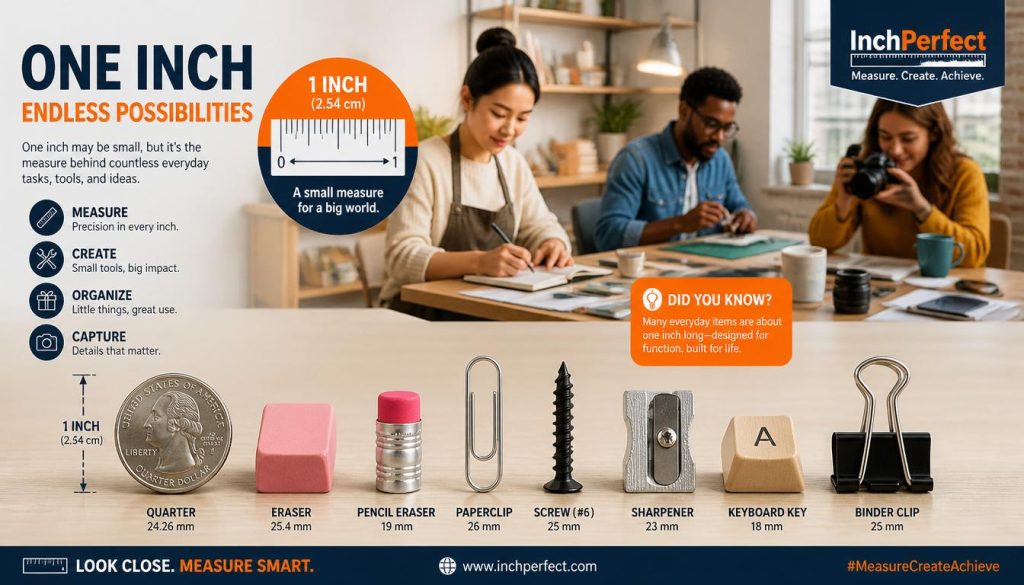
Knowing everyday items for measurement reference can help in countless situations:
- DIY home projects.
- Crafting dimensions.
- Scrapbooking layouts.
- Woodworking measurements.
- Home improvement measuring tips.
- Packaging estimates.
- Classroom demonstrations.
- Shopping comparisons.
A ruler remains the best tool for accuracy, but familiar objects provide excellent approximations when precision isn’t critical.
Sometimes the quickest solution is simply looking around the room.
Frequently Askd Questions
How Long Is 1 Inch
1 inch is equal to 2.54 centimeters or 25.4 millimeters. It is a small unit of length commonly used in everyday measurements, DIY projects, and school activities.
What Object Is 1 Inch Long
Many everyday objects are about 1 inch long, including a sugar cube, a standard dice side, or the width of an adult thumb. These items can help you estimate one inch without a ruler.
1 Inch Long
An object that is 1 inch long is easy to find around the house or office. Common examples include a guitar pick, a small paper clip, or the short side of a postage stamp.
1 Inch Object
A 1 inch object is any item that measures approximately one inch in length, width, or diameter. Examples include a bottle cap, a keyboard key, and a USB Type-A connector.
Things That Are One Inch Long
Things that are one inch long include a LEGO brick dimension, a sugar cube, a dice side, and the width of a U.S. quarter. These familiar objects provide a quick visual reference for understanding the size of one inch.
Read this blog: https://maxenkad.com/how-long-until-230/
Conclusion
Understanding how long is 1 inch becomes much easier when you connect measurements to everyday life. A quarter, a thumb, a sugar cube, a paper clip, or a bottle cap can all serve as practical guides when a ruler isn’t available.
These objects equal to 1 inch do more than provide convenience. They strengthen estimation skills, support education, improve visual understanding, and reveal the hidden role measurements play in the products we use every single day.
The next time someone asks, “What does one inch look like?” you won’t need to guess. You’ll likely spot half a dozen examples sitting right nearby.
And that’s the funny thing about measurements. Once you start noticing them, they’re everywhere, quietly shaping the world around us in ways we rarely stop to see.