

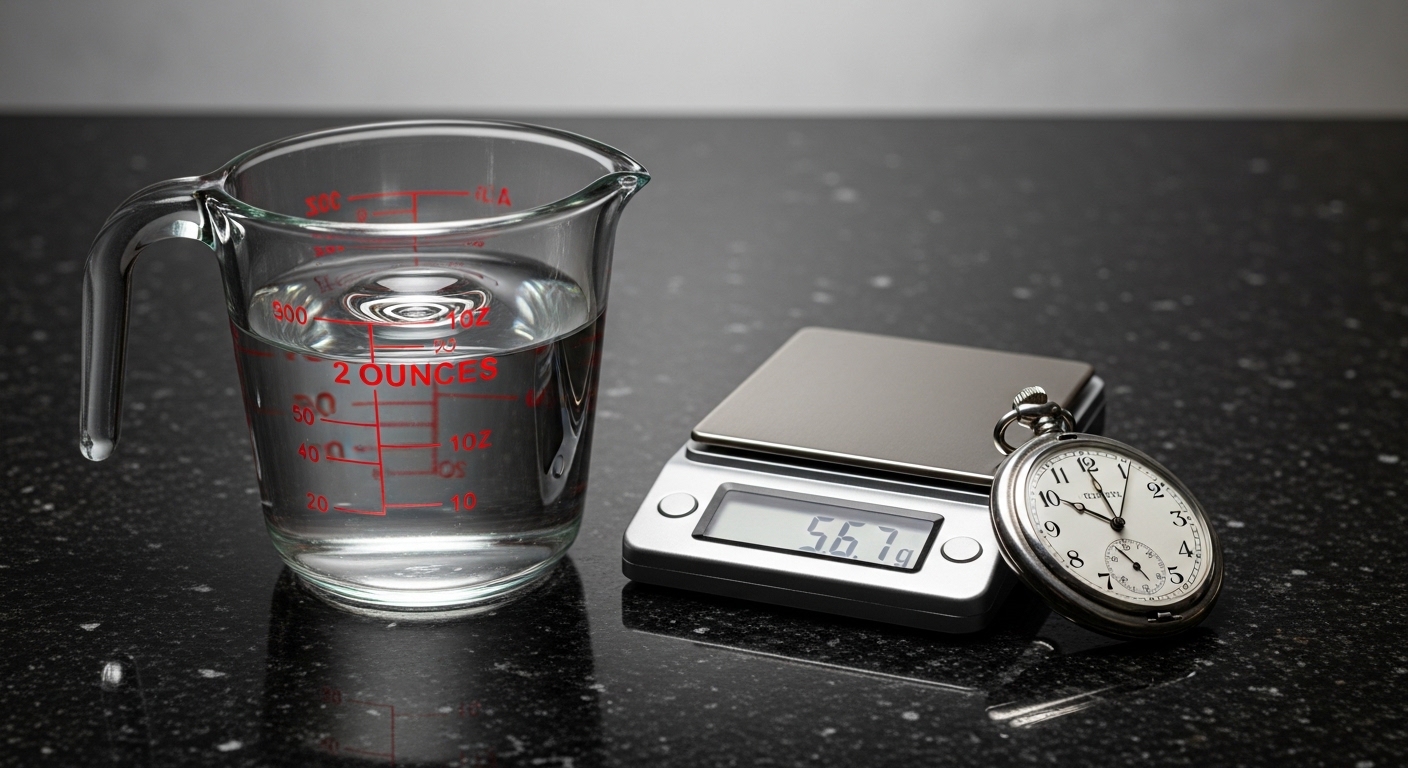
There’s something oddly mysterious about 2 ounces. Not mysterious in a “hidden treasure map” kinda way, but more like…
your brain knows it’s small, yet when someone asks, “Okay but how much is 2 ounces really?” suddenly your thoughts start buffering like old internet. Tiny amount? Heavy enough to notice? Light enough to forget in your backpack? Weirdly, it depends.
I remember standing in a kitchen once, trying to measure shredded cheese for tacos, and the recipe demanded “2 oz.” I stared at the cheese like it had personally betrayed me.
Was that a fistful? A mountain? A tiny dairy cloud? That’s the thing about weight measurement humans are terrible at guessing it unless we connect it to real-life stuff we touch every day.
And honestly, understanding 2 oz, or any ounce (oz) amount, sneaks into more of life than people think. From cooking measurements and baking measurements to shipping weight, carry-on toiletries, supplements,
and even medication dosage, small measurements quietly run the world while nobody notices. Kinda rude of them, honestly.
So if you’ve ever wondered:
- How much is 2 ounces
- What does 2 ounces look like
- What weighs 2 ounces
- How big is 2oz
- Or why recipes insist on making life dramatic with ounces instead of “just enough”
…this guide is gonna make it all feel way more human.
By the end, you’ll have real-world comparisons burned into your memory like the smell of toast you forgot in the toaster for too long.
Understanding 2 Ounces in Real Numbers
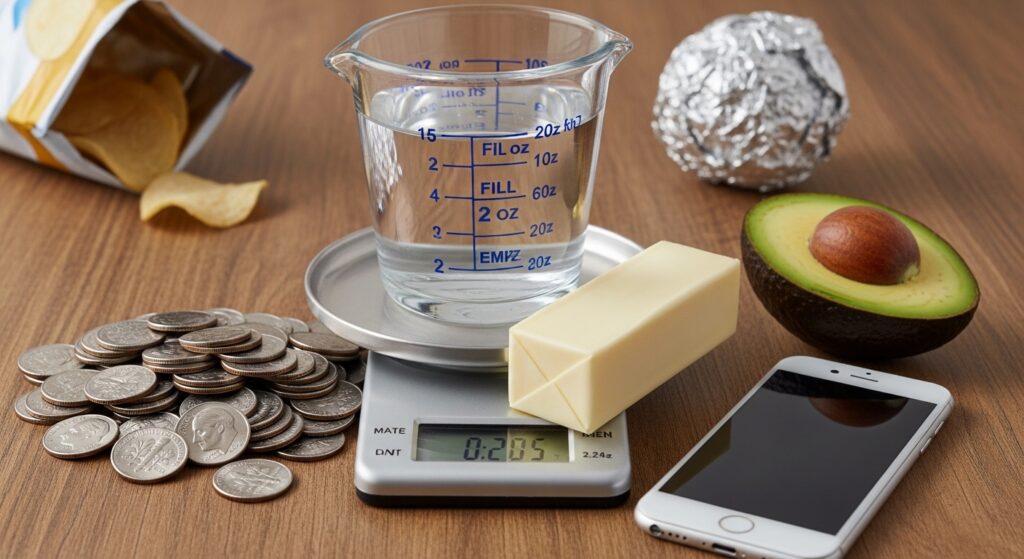
Before we dive into the fun comparisons, let’s make sense of the actual numbers. Tiny math moment, but painless, promise.
Here’s what 2 ounces in grams looks like:
- 1 ounce = 28.35 grams
- Therefore, 2 ounces = 56.7 grams
- That’s also:
- 56,700 mg
- 0.0567 kg
- 0.125 lb
- Or exactly 1/8 pound
If you’re measuring liquids, things shift slightly because volume and mass are annoying cousins who don’t behave the same. Fluid conversion wise:
- 59.1471 ml
- Around 0.25 cup
This matters in recipe measurements, ingredient measurement, and liquid portions like sauces or dressings.
People often confuse ounces vs grams, especially when traveling between metric and imperial systems. In Europe, grams dominate. In the U.S., ounces casually show up everywhere like an uninvited uncle at a barbecue.
And weirdly enough, your brain remembers comparisons better than numbers. Nobody walks around whispering “56.7 grams” to themselves. But saying “about the weight of a deck of cards” suddenly clicks.
That’s where things get useful.
Why Visualizing Weight Actually Matters
Humans are visual creatures. We estimate by feel, by memory, by that little “ehhh seems right” instinct. Which is why visualizing weight helps with everything from portion control to packing luggage.
Think about daily situations where measurement accuracy matters:
- Mailing packages without paying extra shipping costs
- Staying within airline rules for liquids
- Measuring protein portions during meal prep
- Tracking supplement or vitamin weight
- Following precise baking recipes where too much flour creates bricks instead of muffins
A baker once joked, “Cooking is art. Baking is chemistry.” They weren’t kidding. Tossing random amounts into casseroles? Usually survivable. But baking? One tiny mistake and your cookies become emotional damage.
That’s why understanding small quantities and lightweight objects builds genuine measurement intuition over time.
Now let’s get into the good stuff the actual everyday things that weigh around 2 ounces.
1. A Deck of Playing Cards
One of the best 2 oz examples is a standard 52-card deck.
Not the fancy metal-edged magician ones. Just regular ol’ playing cards in their cardboard box. Most weigh almost exactly 2 ounces.
If you pick one up, that’s basically the hand-feel of 56.7 grams. Slightly noticeable, but still very light.
This comparison helps because decks are dense for their size. Compact little rectangles carrying years of family arguments over Uno rules accidentally applied to poker.
People often use card decks as a household weight reference when calibrating small scales too. Kinda clever, honestly.
2. Wireless Earbuds and Their Case
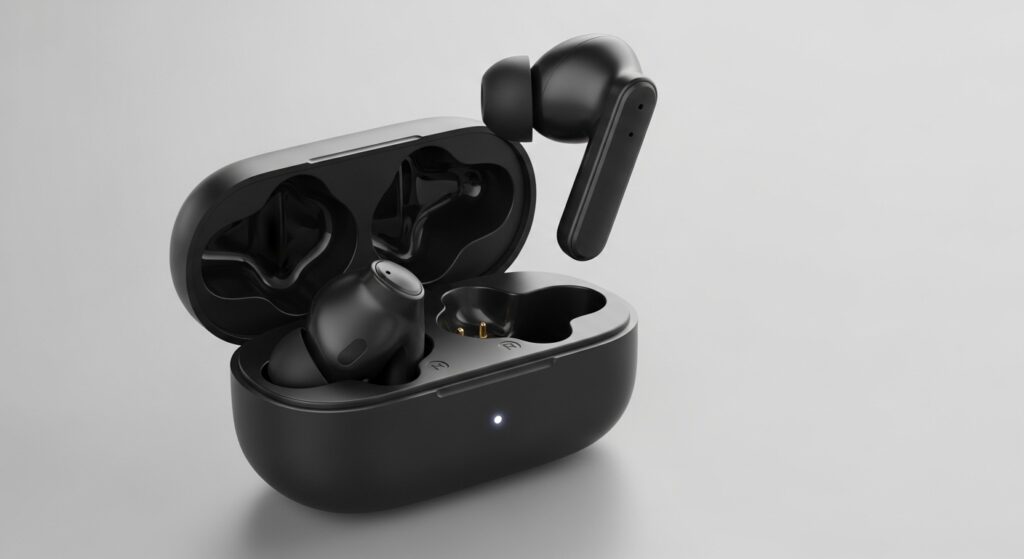
Most modern wireless earbuds with the charging case land close to the 2 oz comparison zone.
Think about that next time they vanish into your couch cushions with supernatural precision.
This is where electronics & power sources enter the chat. Tiny gadgets today carry batteries, microphones, sensors, and processors while weighing less than an avocado half. Technology’s gotten a bit ridiculous, in a good way.
Also useful for understanding portable object weight during travel or gym packing.
3. A Travel-Size Shampoo Bottle
Tiny toiletries are basically the ambassadors of the 2 oz size world.
A small travel-size shampoo or lotion container often weighs around 2 ounces, especially when partially filled.
This matters for:
- Airline-friendly size
- Carry-on restrictions
- Backpack weight
- Hotel packing
- Minimalist travel
Frequent travelers become accidental experts in measuring small quantities. They can eyeball 2 ounces faster than some people can find their passport.
Funny enough, TSA liquid restrictions made half the world suddenly care about ounces to milliliters conversions overnight.
4. A Bar of Soap
An average bar of soap often weighs around 2 oz to 3 oz.
Hold one in your hand and there it is your real-world answer to what does 2 ounces look like.
Soap is actually a sneaky-good comparison because most people have physically handled it hundreds of times. Your brain remembers tactile experiences better than abstract units.
There’s also something oddly comforting about soap weight. Like your brain instantly knows whether a bar is “new soap heavy” or “sad sliver near death.”
5. Ten U.S. Pennies
Now this one surprises people.
About 10 U.S. pennies weigh very close to 2 ounces.
Coins are fantastic for learning precise measurement because they’re standardized.
Teachers sometimes use coin stacks to explain:
- metric conversion
- mass conversion
- scale testing
- measurement accuracy
It’s practical little science hiding in your junk drawer.
6. Two AA Batteries
A pair of AA batteries together weigh roughly 2 ounces.
This is another great tactile comparison because batteries feel heavier than they look. Density changes our perception alot more than people realize.
This ties into
- electronics & power sources
- household gadgets
- emergency kits
- camping supplies
If you’ve ever packed batteries for a flashlight, camera, or gaming controller, you’ve handled a rough 2-ounce object countless times.
7. A Kitchen Sponge
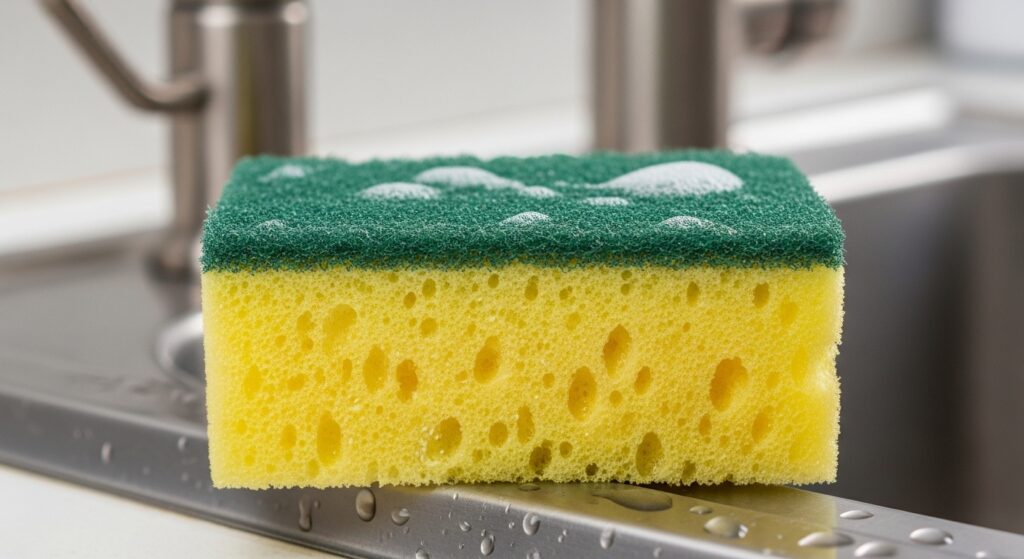
Yep. Your humble kitchen sponge.
Dry sponges often hover around the 2-ounce range depending on size.
This example matters because it teaches an important lesson in weight measurement:
Size doesn’t equal weight.
A sponge looks bigger than earbuds, yet may weigh about the same. Density plays tricks on our brains constantly.
Also shoutout to sponges for surviving absolute chaos in kitchens worldwide.
8. Two Eggs
Two average eggs together? Pretty close to 2 oz.
This one’s incredibly useful in:
- cooking & baking
- food portions
- breakfast prep
- protein tracking
- nutrition serving sizes
Chefs and bakers rely heavily on understanding food weights. Especially in recipes involving:
- pasta
- salads
- casseroles
- sauces
- doughs
An experienced home cook once said, “Recipes become easier when your hands learn measurements before your brain does.” That feels weirdly true.
9. A Small Avocado or Kiwi
Certain fruits land right around the magical 2-ounce mark.
A small kiwi, baby kiwi, or tiny avocado can weigh approximately 2 ounces.
These foods are considered nutrient-dense materials because they pack alot of nutrition into tiny sizes.
Kiwis especially contain:
- Vitamin C
- fiber
- antioxidants
And avocados offer healthy fats and nutrients linked to heart health.
Even the tiny Eastern Bluebird relies on small fruits and insects with carefully balanced nutrition in nature. Biology has this beautiful obsession with efficient little packages.
10. Two Ounces of Shredded Cheese
This one matters because recipes mention it constantly.
In practical kitchen terms, 2 oz of shredded cheese looks like a modest handful or roughly half a cup depending on density.
This becomes important for:
- portion awareness
- calorie tracking
- tacos
- baked potatoes
- casseroles
- salads
And honestly? Most of us dramatically underestimate cheese portions. Humans see shredded cheese and suddenly lose all mathematical capability.
11. A Small Spray Bottle
A compact spray bottle used for cleaning solution or travel mist often weighs around 2 ounces empty or lightly filled
This is useful for:
- home cleaning
- travel packing
- beauty products
- gym bags
- travel-size toiletries
A lot of people learning minimalist packing start understanding weight through repeated object familiarity rather than scales.
That’s actually how humans naturally learn measurements repeated touch and comparison.
How 2 Ounces Appears in Cooking and Baking
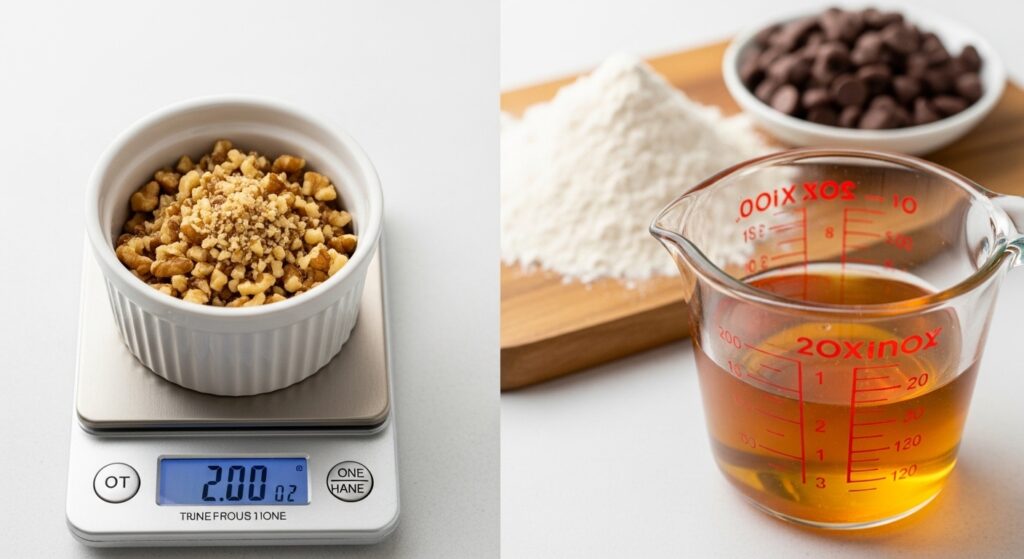
If there’s one place where understanding ounces becomes unavoidable, it’s the kitchen.
Recipes casually toss around:
- flour
- sugar
- dressing
- sauce
- meat portions
…and expect you to somehow know what that means without emotional support.
Here’s where kitchen measurements become super important.
For example:
- 2 oz of meat = small palm-sized portion
- 2 oz sauce = about 4 tablespoons
- 2 oz flour ≠ same volume as cheese
That last part matters alot. Weight and volume are not twins. More like cousins who argue at holidays.
A proper kitchen scale helps massively with:
- recipe accuracy
- food scale usage
- dry ingredient measurement
- liquid measurement
- meal prep
And yes, professional bakers absolutely weigh ingredients because cups can lie to you depending on packing density.
Rude, but true.
Why 2 Ounces Matters in Health and Nutrition
People think ounces are just kitchen nonsense until they start reading nutrition labels.
Suddenly:
- supplements
- vitamins
- protein portions
- serving sizes
- liquid medicines
…all revolve around tiny measurements.
For example:
- Vitamin A
- Vitamin B12
- Vitamin C
- Vitamin D
- Vitamin E
often appear in microscopic amounts measured through careful dosage systems.
This is why medication safety and accurate measuring tools matter so much. Tiny differences can create huge effects.
Even fitness enthusiasts tracking macros eventually learn to estimate food serving size visually:
- 2 oz chicken
- 2 oz nuts
- 2 oz dressing
It becomes second nature after awhile.
How to Measure 2 Ounces Without a Scale
No scale? No problem-ish.
Here are rough ways to estimate how to measure 2 ounces:
- About 4 tablespoons of liquid
- Roughly 1/4 cup
- A small handful of shredded cheese
- A deck of cards in weight
- Two AA batteries
- Two eggs
- Travel-size toiletries
Still, for true measurement accuracy, a digital scale wins every time.
Especially in:
- laboratory measurements
- baking
- nutrition tracking
- supplement prep
- shipping calculations
Tiny errors stack up surprisingly fast.
Ounces vs Grams: Why the Confusion Never Ends
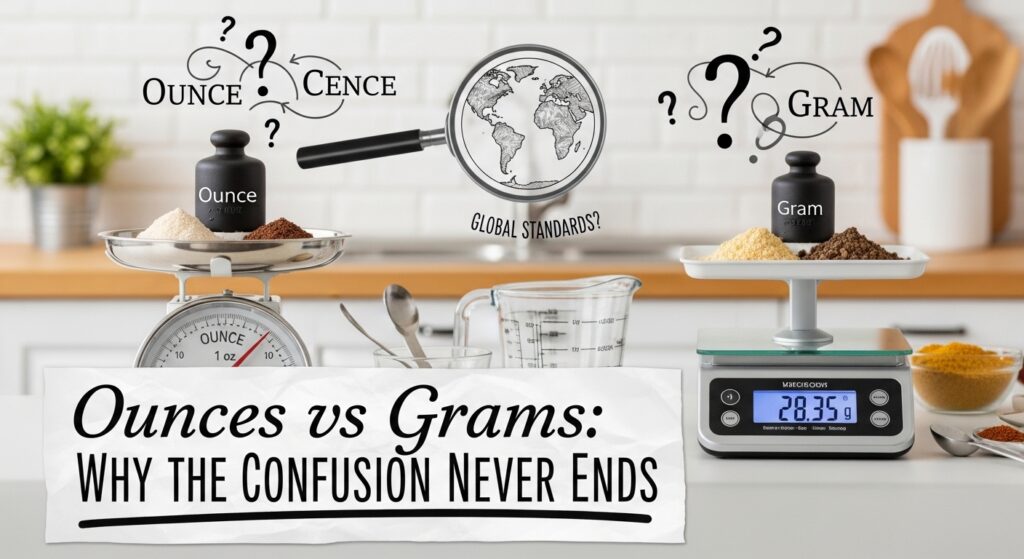
The battle between imperial and metric systems feels eternal.
Americans use ounces.
Most of the world uses grams.
So people constantly search:
- convert ounces to grams
- ounces to cups
- ounces to milliliters
- ounces to pounds
For quick reference:
- 2 ounces in grams = 56.7 grams
- 2.5 oz = 70.87 grams
Once you remember that 1 ounce = 28.35 grams, the math becomes less scary and more mildly annoying.
Close enough.
Frequently asked Questions
how big is 2oz
2oz is a small and lightweight measurement, roughly equal to 56.7 grams or about 1/4 cup of liquid. It is similar in size to a deck of playing cards or a small travel-size item.
what weighs 2 oz
Many everyday objects weigh around 2 oz, including a bar of soap, wireless earbuds with their case, or two AA batteries. These common items help visualize how light 2 ounces feels.
what weighs 2 ounces
A standard deck of playing cards, 10 U.S. pennies, or a small kitchen sponge are examples of things that weigh about 2 ounces. These comparisons make the measurement easier to understand in daily life.
what is 2oz
2oz (2 ounces) is a unit of weight commonly used in cooking, packaging, nutrition, and shipping. It equals approximately 56.7 grams or 1/8 of a pound.
what weighs two ounces
Objects like shredded cheese (about 1/4 cup), a travel-size shampoo bottle, or a small light bulb typically weigh close to two ounces. It’s a lightweight measurement often used for small household and food items.
Read this Blog: https://maxenkad.com/36-inches/
Final Thoughts on Understanding 2 Ounces
Funny how something as tiny as 2 ounces can appear in almost every corner of daily life.
It sneaks into:
- recipes
- fitness goals
- travel bags
- mailing packages
- electronics
- nutrition
- cleaning supplies
- supplements
And once you start building these real-world comparisons, your brain stops seeing ounces as abstract math and starts seeing them as actual objects you already know.
That’s the secret, really.
Measurement isn’t just numbers. It’s memory. Feel. Familiarity. The weight of a deck of cards. The heft of earbuds in your pocket. A kiwi rolling around your kitchen counter looking oddly important.
So next time somebody asks, “How much does 2 oz weigh?” you won’t freeze up staring into space like you’ve been asked to calculate moon gravity.
You’ll just smile a little and think:
“About a deck of cards. Maybe a couple eggs. Tiny, but not that tiny.”
And honestly? That’s probably the most human way to understand it.