

There’s something oddly human about trying to picture a size without grabbing a ruler. Your brain starts bargaining with memory. Was the frying pan this big? Is a Subway sandwich really that long?
Why does 1 foot long sound tiny in a hardware store but gigantic when you’re trying to fit a bookshelf into a cramped apartment corner? Measurements are funny like that. They float around in daily life pretending to be precise while most of us are just guessing wildly with confidence.
A while ago, I watched my nephew stretch both hands apart and proudly announce, “This is exactly a foot.” It wasnt even close. Maybe eight inches. But it reminded me how much people rely on visual length reference instead of actual tools.
We don’t walk around carrying a measuring tape all day. We use memory, objects, kitchen stuff, random household things. That’s basically how measurement awareness works in real life.
In the United States and a few other places, a foot measurement equals 12 inches or exactly 30.48 centimeters. That’s the official standard measurement in the imperial system.
Yet for most people, the number means nothing until it connects to a real object. That’s where familiar examples become weirdly comforting. They turn abstract math into something your eyes can understand.
So if you’ve ever wondered how long is 1 foot, or needed a quick everyday measurement reference, here are eleven common things that help you instantly picture it without pulling out a ruler and acting like an overprepared architect in the grocery store.
| Object | Approximate Size | Why It’s a Good Reference |
|---|---|---|
| Standard ruler | 12 inches | Exact 1 foot measurement |
| Subway footlong sandwich | Around 1 foot long | Easy everyday comparison |
| Medium pizza | About 12-inch diameter | Common food size reference |
| Grill tongs | Around 12 inches | Useful kitchen tool example |
| Large spatula | Close to 1 foot | Familiar household item |
| 2-liter soda bottle | About 12 inches tall | Good height comparison |
| 12-inch skillet | 1 foot wide | Standard kitchen cookware size |
| A4 paper length | Around 11.7 inches | Nearly one foot long |
| Cable zip tie | About 12 inches | Common tool for bundling cables |
| Drawer depth | Around 1 foot deep | Typical furniture dimension |
| Pizza peel | About 12 inches wide | Great visual kitchen reference |
A Standard Ruler
The most obvious example is also the most dependable one. A standard school ruler is exactly one foot long. It measures 12 inches from edge to edge and exists almost purely to teach children the cruel emotional reality of fractions.
A classic wood ruler, plastic ruler, or metal ruler gives you an exact measurement of one foot. That’s why teachers, designers, carpenters, and people angrily assembling furniture keep them nearby. It’s basically the ambassador of the imperial system.
If someone asks you what does 1 foot look like, the ruler is the cleanest answer possible. No estimating. No visual guessing games. Just straight-up standard ruler size reality sitting there on a desk next to dried markers and old receipts.
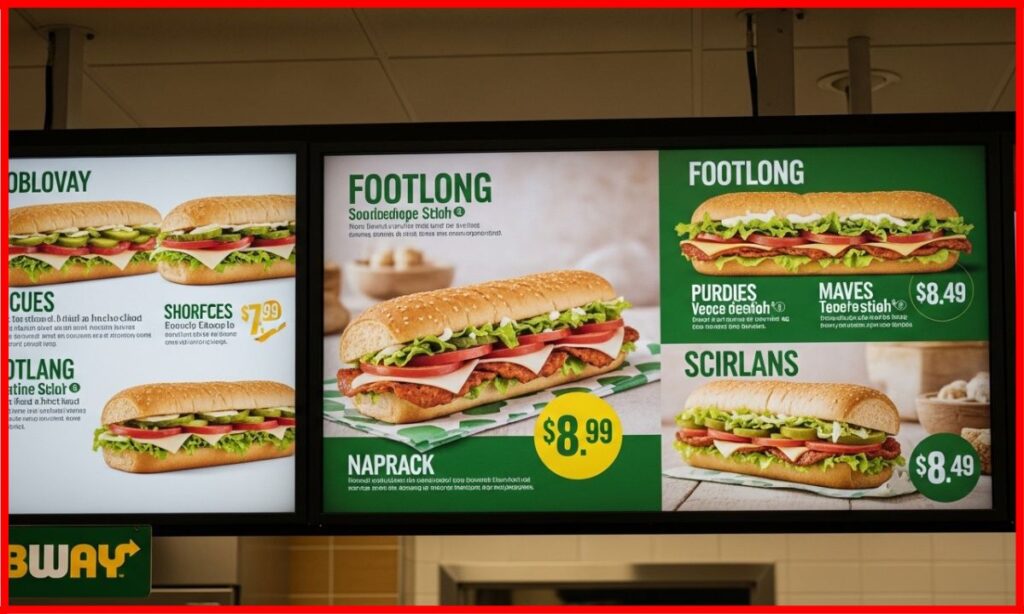
A Subway Footlong Sandwich
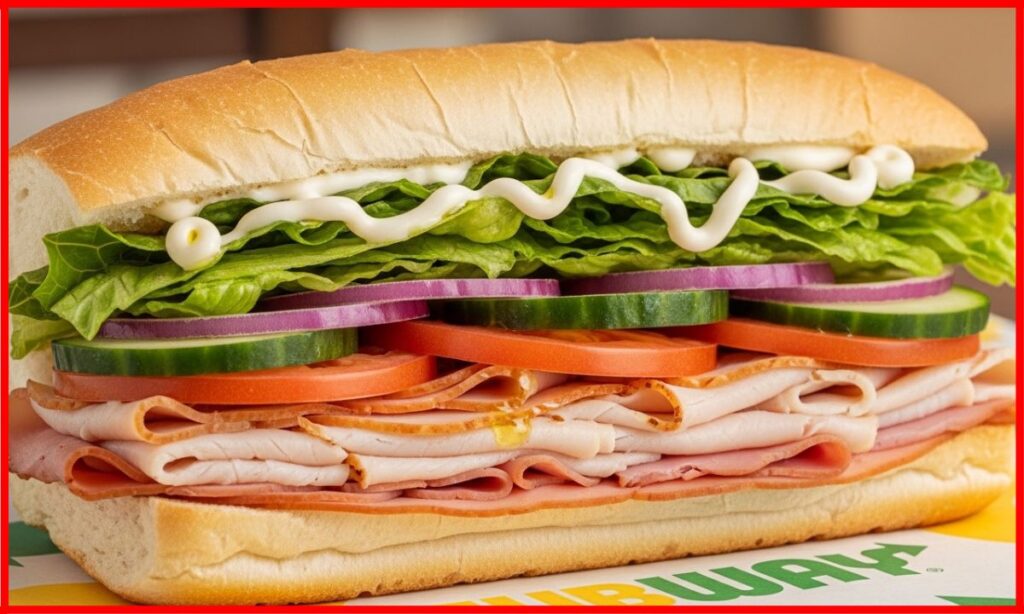
The legendary Subway sandwich deserves its place here, even if the internet spent years arguing about whether every sandwich was truly a foot long. In theory, a footlong sub measures around 12 inches, making it one of the tastiest real-life examples of measurement ever invented.
There’s something beautiful about learning length measurement through lunch. You can literally hold one foot in your hands while dripping mayonnaise onto your jeans. Educational and messy. A rare combo.
Interestingly, many people use a half-foot sandwich mentally too. Since a six-inch sub is half the length, it becomes an easy measurement comparison trick in everyday life. Two halves equal a full foot. Simple math, delicious consequences.
A Large Spatula
Some kitchen utensils sneak into the one-foot club without anyone noticing. A cooking spatula, especially the longer silicone or metal types, is often close to 1 foot long from handle to tip.
Kitchen tools are surprisingly useful for measurement without tools because most people already know how they feel in their hand. You don’t need precision engineering when your brain already recognizes the size naturally. That’s part of developing measurement intuition.
Chefs and home cooks unconsciously build this skill over time. They estimate pan sizes, tray widths, and utensil lengths constantly while cooking food. Honestly, kitchens are secretly tiny laboratories for spatial understanding.
Grill Tongs
A pair of stainless steel grill tongs is usually about twelve inches long, give or take a little. They’re made that size so your hands stay away from the fire while flipping burgers and pretending you’re on a cooking show.
This makes them a pretty solid household reference for things that are 12 inches long. The next time someone asks you to estimate a foot, imagine barbecue tongs stretching across your counter. Weirdly effective.
There’s also something funny about how humans trust grilling equipment more than math. Nobody remembers centimeter conversions during a cookout. But everybody remembers the length of the tongs that almost fell into the charcoal.
The Diameter of a Medium Pizza
A standard medium pizza from many restaurants measures around 12 inches across, creating a perfect one-foot diameter circle of joy and regret.
This example works great because circular objects help your brain process width differently than straight objects. Sometimes people struggle with linear measurement but instantly understand size when it becomes food. Honestly, pizza might be civilization’s greatest educational tool.
The average pizza pan for medium pizzas is also close to this size, which makes it another useful kitchen measurement example. If you’ve ever held a medium pie box, you already know roughly what one foot comparison feels like.
And yes, if someone tells you they only ate “a little pizza,” remember they may have consumed half a foot of bread and cheese. Measurements can be emotionally dangerous.
A 12-Inch Skillet
Many home kitchens contain a frying pan or skillet labeled as 12 inches wide. This measurement usually refers to the diameter across the top.
That means your everyday cookware can double as a visual measurement guide. Suddenly, cooking breakfast becomes a lesson in measurement systems. Eggs, bacon, geometry. Very productive morning.
Professional chefs rely heavily on consistent sizing because recipes often depend on pan dimensions. Too small, things overcrowd. Too large, sauces dry out. So kitchen manufacturers stick closely to these standard size conventions.
Honestly, once you start noticing it, the entire kitchen becomes a museum of common household measurements.
The Width of A4 Paper
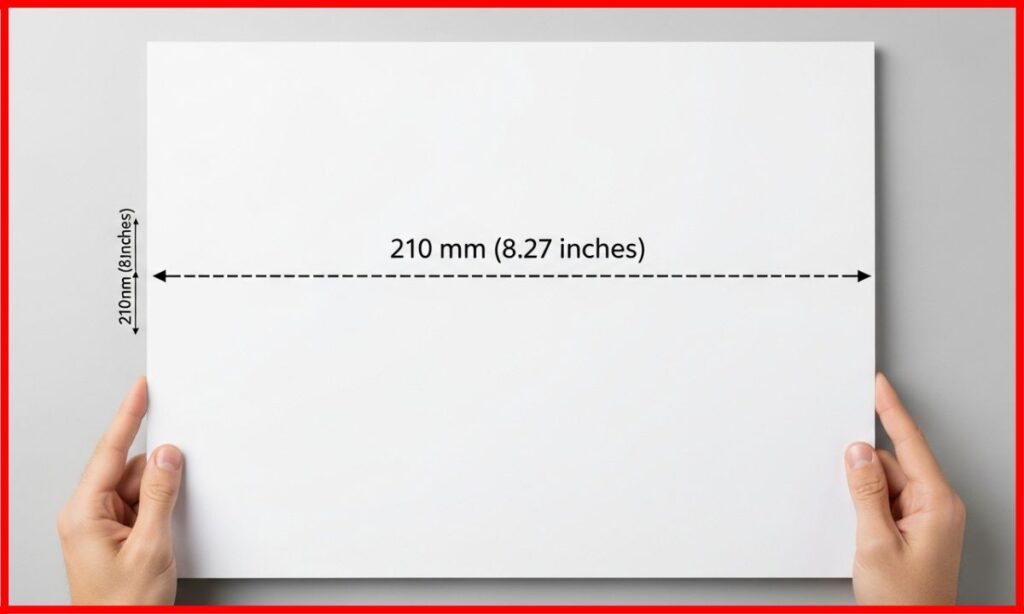
An A4 paper sheet is not exactly one foot long, but its longer side comes pretty close at around 11.7 inches. That tiny difference is barely noticeable visually, which makes paper excellent for approximate measurement exercises.
People involved in photocopying documents, office work, or printing usually develop a strong subconscious understanding of paper dimensions. The width of stacked papers, printer trays, folders your brain quietly stores all that information.
A sheet of letter-size paper in the US has slightly different dimensions, but it still helps with size estimation and visual comparison. Paper might seem boring, but honestly, it trains your eyes more than you realize.
A 2-Liter Soda Bottle
A large Coca-Cola or Pepsi bottle standing upright is usually close to one-foot height. Depending on the design, many hover around 12 inches tall.
This is one of the easiest examples because soda bottles are everywhere. Grocery stores, kitchen floors, road trips, awkward family dinners where somebody spills everything. Your brain instantly recognizes their size.
Using familiar products as a real-world measurement object helps improve estimating length skills naturally. It’s easier to judge dimensions when connected to objects you see every week instead of abstract numbers floating in space.
Also, there’s something oddly satisfying about realizing a bottle of carbonated soft drink is basically liquid geometry.
A Cable Zip Tie
Some larger cable tie or zip tie products used for organizing cords and bundling cables measure exactly 12 inches long.
Electricians, tech workers, and people who own way too many chargers use these constantly. They’re practical little examples of objects used for measuring without officially being measuring tools.
This matters more than people think. Everyday exposure builds subconscious accuracy. Someone who works with cords daily often develops excellent quick length estimation skills because their eyes keep repeating the same visual patterns.
It’s a quiet kind of learning. No classroom. Just tangled cables and mild frustration.
The Depth of a Drawer
A lot of kitchen and office drawers measure around one foot deep. Same goes for some bookshelf spacing and small storage cubes.
Furniture dimensions shape how we interact with space every day, but most people never stop to notice them. Your body memorizes these sizes automatically. That’s why you instinctively know whether something will fit in a drawer before actually trying it.
Carpenters and furniture builders rely heavily on this kind of measurement awareness examples thinking. An experienced carpenter can often eyeball measurements with scary accuracy because their brain has seen thousands of dimensions repeatedly.
Meanwhile, regular people just shove things into drawers and hope for the best. Different techniques, same spirit.
A Pizza Peel
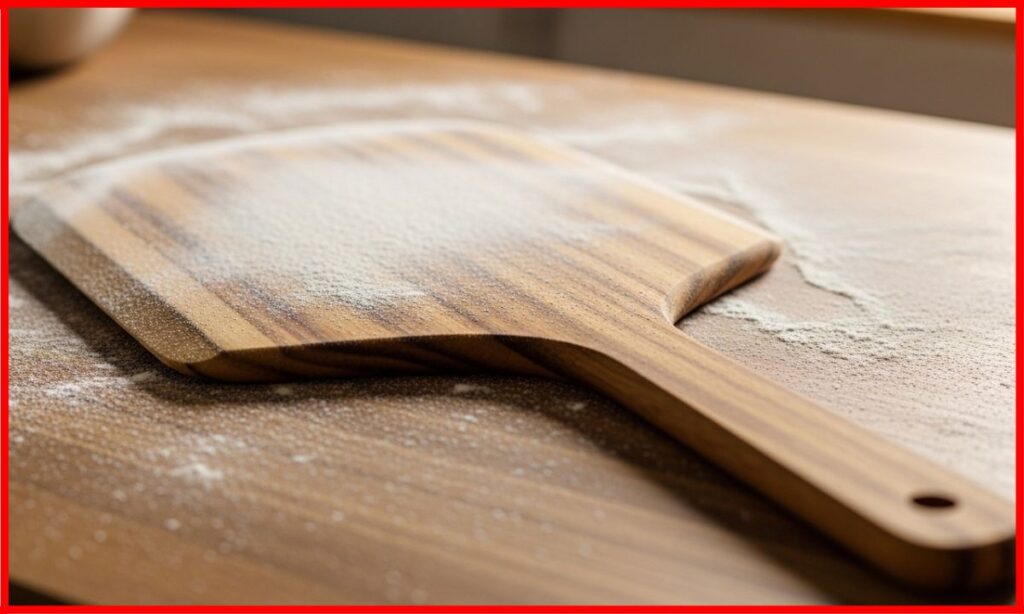
A wooden or metal pizza peel the flat tool used to slide pizzas into ovens often has a head around 12 inches wide.
This one surprises people because restaurant tools don’t usually enter casual measurement conversations. But once you’ve seen one, it becomes an excellent visualize measurements shortcut.
Professional kitchens are full of hidden geometry. Trays, cutting boards, utensils, oven widths. Cooks develop instinctive measurement approximation abilities because timing and spacing matter constantly.
Honestly, an experienced cook and an experienced architect probably understand dimensions in strangely similar ways. One builds buildings. The other prevents lasagna disasters.
Why Familiar Objects Help Us Estimate Better
Humans are not naturally brilliant at numbers floating in empty space. We understand things better through comparison. That’s why object comparison matters so much in developing measurement intuition.
When someone says “12 inches,” your brain may hesitate. But when they say “about the size of a medium pizza,” suddenly the picture becomes crystal clear. That’s the power of household familiarity and visual memory working together.
Experts in design, construction, and drafting use this mental process constantly. A trained architect or builder doesn’t just memorize numbers they attach dimensions to physical experience. That’s what creates strong spatial understanding.
Even simple habits improve this skill:
- Comparing items around your home
- Using a standard ruler
- Practicing measuring by eye
- Checking estimates against actual measurements
- Paying attention to common tool sizes
Eventually your brain gets better at recognizing distance naturally. It’s almost like training a tiny internal tape measure.
1 Foot in Inches and Centimeters
For clarity, here’s the official conversion:
- One foot in inches = 12 inches
- One foot in cm = 30.48 centimeters
This matters because the world uses different measurement systems. The US commonly uses imperial measurement, while most countries prefer metric conversions.
So if someone asks about foot vs inches, remember:
- A foot is made of 12 inches
- Inches are smaller units inside the foot
- Centimeters belong to the metric system
Simple. Though honestly, conversions can still make people feel like confused pirates reading treasure maps.
Easy Tricks for Estimating One Foot
If you don’t have a ruler nearby, try these:
- Picture a footlong sandwich
- Imagine a medium pizza width
- Use a soda bottle as height reference
- Think of a large spatula or grill tongs
- Compare with printer paper
These little tricks improve your visual size training over time. The more examples your brain stores, the easier measurement without tools becomes.
It’s kinda fascinating, really. Humans built cities, bridges, kitchens, and bookshelves mostly by first learning how to judge space with their eyes.
Frequetnly asked Questions
things that are 1 foot long
Common things that are 1 foot long include a standard ruler, a medium pizza, a footlong sandwich, and many kitchen spatulas. These everyday objects help you easily visualize 12 inches in real life.
things that are 1 foot
Many household items are about 1 foot in size, such as grill tongs, cable ties, soda bottles, and small frying pans. They make useful references when you need to estimate length quickly.
1 foot example
A simple 1 foot example is a standard ruler because it measures exactly 12 inches long. A Subway footlong sandwich is another familiar example people instantly recognize.
one foot long
One foot long equals 12 inches or 30.48 centimeters. It is a common measurement used for furniture, paper sizes, kitchen tools, and many everyday objects.
how much is a foot long
A foot long means a length of 12 inches in the imperial measurement system. In metric units, it is equal to 30.48 cm.
Read this Blog: https://maxenkad.com/how-much-is-2-ounces/
Frequently asked Questions
things that are 1 foot long
Common things that are 1 foot long include a standard ruler, a medium pizza, a footlong sandwich, and many kitchen spatulas. These everyday objects help you easily visualize 12 inches in real life.
things that are 1 foot
Many household items are about 1 foot in size, such as grill tongs, cable ties, soda bottles, and small frying pans. They make useful references when you need to estimate length quickly.
1 foot example
A simple 1 foot example is a standard ruler because it measures exactly 12 inches long. A Subway footlong sandwich is another familiar example people instantly recognize.
one foot long
One foot long equals 12 inches or 30.48 centimeters. It is a common measurement used for furniture, paper sizes, kitchen tools, and many everyday objects.
how much is a foot long
A foot long means a length of 12 inches in the imperial measurement system. In metric units, it is equal to 30.48 cm.
Final Thoughts on Things That Are One Foot Long
Learning about things that are one foot long may sound simple at first, but it quietly changes how you see the world. Suddenly every drawer, pizza, ruler, and soda bottle becomes part of a giant invisible measuring system hiding in plain sight.
That’s why familiar objects matter. They transform dry numbers into something tangible and human. A standard measurement stops feeling abstract once you can hold it in your hand or accidentally burn it on a grill.
So the next time somebody asks how long is 1 foot, you probably won’t panic searching for a tape measure. You’ll just smile slightly and think about pizza pans, zip ties, or that gloriously overstuffed Subway sandwich.
And honestly? That’s probably how measurements were meant to be understood all along.